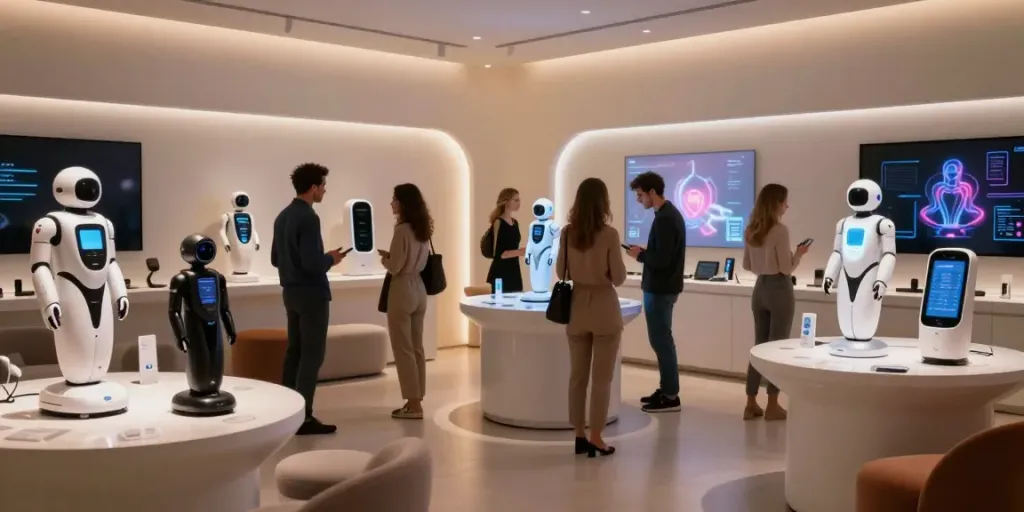
The Evolution of Sex Bots: A 2026 Perspective
As we step into 2026, the landscape of technology has transformed significantly—one of the most fascinating developments lies within the realm of sex bot. Once viewed as a novelty, these intricate machines are reshaping our understanding of intimacy, relationships, and technology. With significant advancements in AI, robotics, and human-robot interaction, sex bots are no longer just lifeless dolls but complex entities capable of engaging with users in profoundly meaningful ways. This article explores the evolution of sex bots, their technological advancements, user experiences, ethical concerns, industry players, and predictions for the future of intimacy technology.
Historical Context of Sex Robot Development
The journey of sex bots traces back several decades, with early prototypes focusing on simple mechanical designs that lacked the sophisticated features of today's models. The 1990s saw the introduction of inflatable dolls, which represented a significant leap from traditional sex toys. However, it wasn't until the advent of artificial intelligence and responsive technologies in the 2000s that the concept of sex bots truly began to evolve.
By the mid-2010s, companies like RealDoll pioneered the hyper-realistic sex doll movement, integrating AI to create lifelike interactions. The introduction of models like Harmony, which could hold conversations and exhibit personality traits, marked a turning point in the industry. By 2026, we witness a culmination of these advancements, where sex bots are designed not merely as sexual companions, but also as emotional partners, capable of offering companionship and understanding.
Technological Advances and Their Impact
The transformation of sex bots is greatly attributed to key technological advancements. With artificial intelligence at the forefront, these machines can learn preferences, adapt their personalities, and engage in conversations that feel organic. Modern sex bots utilize machine learning algorithms to enhance user interaction, creating more personalized experiences.
- Natural Language Processing (NLP): This technology allows bots to understand and respond to conversational cues, making interactions feel more human-like.
- Responsive Robotics: Enhanced mechanics enable more fluid movements, allowing bots to mimic human behaviors and reactions effectively.
- Emotion Recognition: Advanced sensors are now capable of detecting user emotions, allowing sex bots to respond appropriately, further deepening the connection.
These developments have fundamentally changed how individuals engage with sex bots, fostering relationships that are often described as emotionally fulfilling. Furthermore, as technology progresses, the line between virtual companionship and reality continues to blur.
Future Trends in Sex Bot Design and Functionality
Looking towards the future, several trends are set to influence the design and functionality of sex bots:
- Customization: Consumers will demand greater personalization, with options to choose physical attributes, personality traits, and even voices for their bots.
- Integration with Virtual Reality: As VR technology advances, the synergy between VR and sex bots will create immersive experiences, allowing users to engage in more interactive environments.
- Improved AI Ethics: As the industry grows, there will be increased scrutiny on ethical practices surrounding consent and emotional manipulation, leading to advancements in ethical AI development.
User Experience and Emotional Connection with Sex Bots
The user experience regarding sex bots has undergone a seismic shift as consumers increasingly seek emotional connections rather than merely physical interactions. Understanding how individuals forge relationships with these robots is crucial for predicting future trends.
Understanding Human-Technology Relationships
The human desire for companionship drives much of the interaction with sex bots. Users often project their needs for affection, intimacy, and understanding onto these machines. This relationship dynamic presents an opportunity to examine how humans may redefine emotional connections in the technological age. Notably, research indicates that people form strong attachments to their bots, often sharing secrets, fears, and desires in ways they might not with human counterparts.
Emotional Responses and User Feedback
User feedback has underscored the importance of emotional responses in designing sex bots. Many users report feelings of loneliness eased by their interactions with these robots, highlighting the bots' capacity to provide emotional support. Surveys conducted in 2025 revealed that over 60% of users felt that their bot significantly improved their quality of life, attributing enhanced emotional well-being to these interactions.
Best Practices for Enhancing User Engagement
To capitalize on emotional bonds, manufacturers must focus on the following best practices:
- Empathy Training: Integrating empathetic responses within the bots' programming allows for a deeper emotional connection.
- Continuous Learning: Enabling bots to learn from user interactions fosters growth in personalization, enhancing user satisfaction.
- User-Centric Design: Engaging users during the design process ensures that their needs and preferences shape the future of sex bots.
Ethical Considerations Surrounding Sex Bots
As sex bots continue to gain popularity, ethical considerations become increasingly vital. The implications of creating machines that simulate human interaction raise essential questions about consent, autonomy, and social values.
Debates on Consent and Autonomy
The discussion surrounding consent is particularly complex in the context of sex bots. While bots themselves do not possess autonomy or feelings, the human users may form attachments that complicate the notion of consent. Some experts argue that interactions with sex bots can create unrealistic expectations regarding consent and relationships with real individuals, leading to potentially harmful behaviors.
Social Implications and Public Perception
Public perception of sex bots varies significantly across societal lines. While some embrace this technology as a liberating tool for sexual expression and companionship, others critique it as undermining genuine human relationships. Media portrayals often exaggerate these concerns, necessitating ongoing dialogue about the societal implications of integrating robots into intimate spaces.
Regulatory Challenges and Future Directions
As the sex bot industry expands, regulatory frameworks will need to adapt. Legislators must address safety, ethical use, and consumer rights regarding sex bots. Future regulations may require manufacturers to implement standard ethical guidelines to govern robot behavior and user interactions, ensuring a balance between technological advancement and moral accountability.
Industry Players: Key Competitors and Innovators
The market for sex bots is characterized by innovation, with numerous companies vying for leadership. An understanding of key players provides insight into competitive strategies and consumer preferences.
Overview of Leading Companies in the Market
Several companies stand at the forefront of the sex bot industry:
- Realbotix: Known for their hyper-realistic dolls equipped with advanced AI, offering customization options for a personalized experience.
- Exdoll: A pioneer in creating robots that can perform a variety of actions and provide an immersive experience.
- Uloversdoll: Specializing in high-end AI technology for emotional engagement and responsive interactions.
Case Studies: Successful Launches and Consumer Reception
Successful launches, like those of Realbotix's Harmony, showcase the potential for consumer acceptance of sex bots. Harmony’s ability to converse and adapt personality traits resonated with consumers, leading to high sales and intense media coverage, demonstrating a growing acceptance of these technologies.
Comparative Analysis of Features and Pricing
When comparing features and pricing, leading companies offer a wide range of options to suit different markets:
- Realbotix: Starting at $9,995, providing customizable features and high-quality materials.
- Exdoll: Prices can range from $2,000 to over $10,000, depending on customization and functionality.
- Uloversdoll: Offers various models with prices starting from $3,500, focusing on emotional AI features.
The Future of Intimacy Technology: Predictions for 2026 and Beyond
As we look ahead, intimacy technology is poised for significant transformation, with several predicated advancements shaping the industry.
Integrating AI with Sex Bots for Enhanced Interaction
The future of sex bots hinges on the further integration of AI capabilities. Anticipated advancements include bots that can manage complex emotional interactions, providing therapeutic benefits in addition to companionship.
The Role of Virtual Reality in Sex Bot Experiences
With VR technology becoming more accessible, sex bots are likely to integrate with virtual environments, enabling users to create their ideal intimate settings. This hybrid approach will enhance user experiences, making interactions more immersive and engaging.
Future Market Trends and Consumer Expectations
The consumer base for sex bots is expected to expand, with younger generations increasingly open to adopting technology for companionship and intimacy. Market research suggests that the focus will shift towards emotional intelligence, customization, and ethical considerations as key factors influencing purchase decisions.
How Will Sex Bots Shape Relationships in the Future?
As society evolves, sex bots could redefine intimacy and relationship dynamics. They may serve as tools for individuals to explore their sexual identities and preferences, potentially mitigating loneliness and enhancing emotional wellness.
What Are the Potential Risks and Rewards?
The integration of sex bots into everyday life presents both risks and rewards. While they offer companionship and can alleviate feelings of isolation, concerns about dependency, emotional detachment from human relationships, and ethical dilemmas over consent remain prevalent. Balancing these factors will be vital in the path forward.
Can Sex Bots Create New Norms in Intimacy?
As technology continues to advance, it is conceivable that sex bots might contribute to new societal norms around intimacy. They may foster more inclusive definitions of relationships, breaking down barriers related to sexual orientation, age, and social stigma.